I'm a UX builder with five years of shipping research-led products, from early-stage startups to platforms used by millions. I care about the moment a confusing thing quietly becomes obvious.
Open to new opportunities
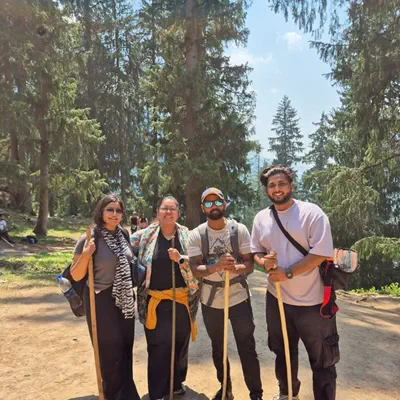
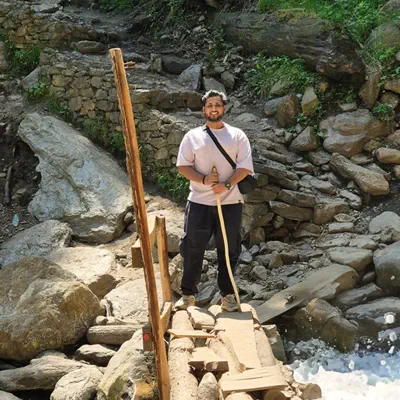
Trek crewWalking sticks up and still smiling, at the start of the Kheerganga trail.
Head of moraleReviews every launch from the top step. Paid in treats, insists on walks.
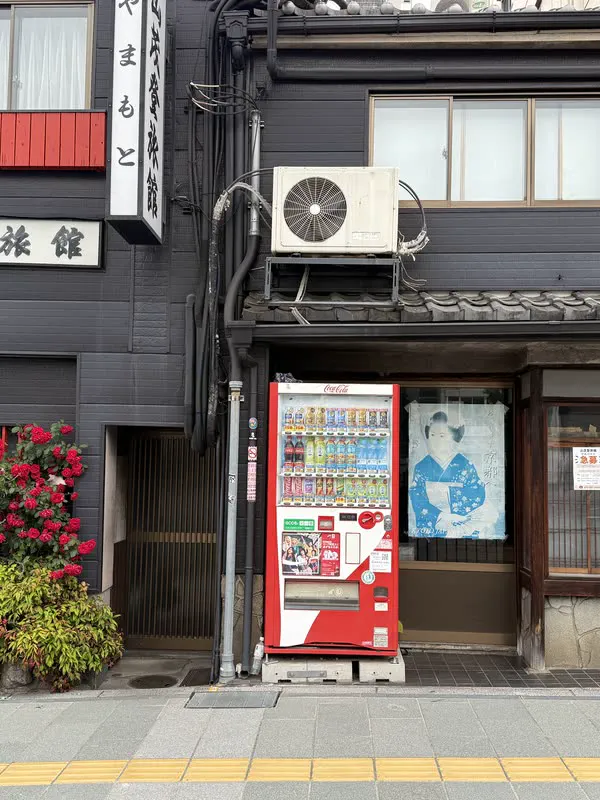
Kimono dayBraids, a thumbs up and a lot of smiling, somewhere in Japan.
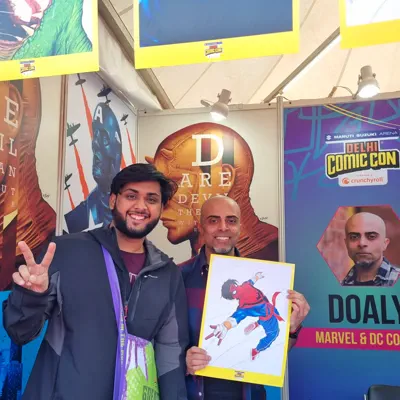
Comic Con, DelhiAlways one design book and one comic on the go. This time the comic won.
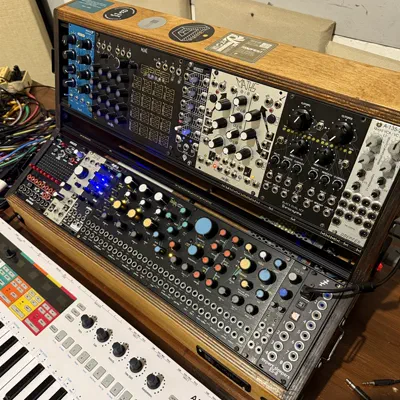
Patch cablesSynths on the desk, and music for short films.
Vibes, mostlyThe sunglasses said it first. I just agreed.
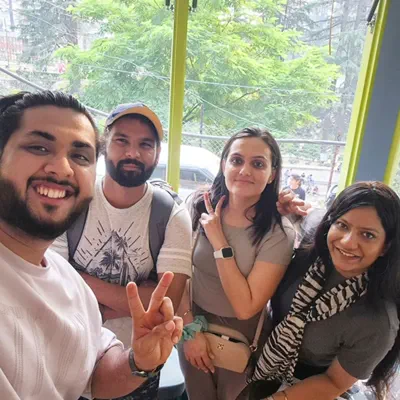
The usual suspectsFour people, one arm's length, everyone in frame.
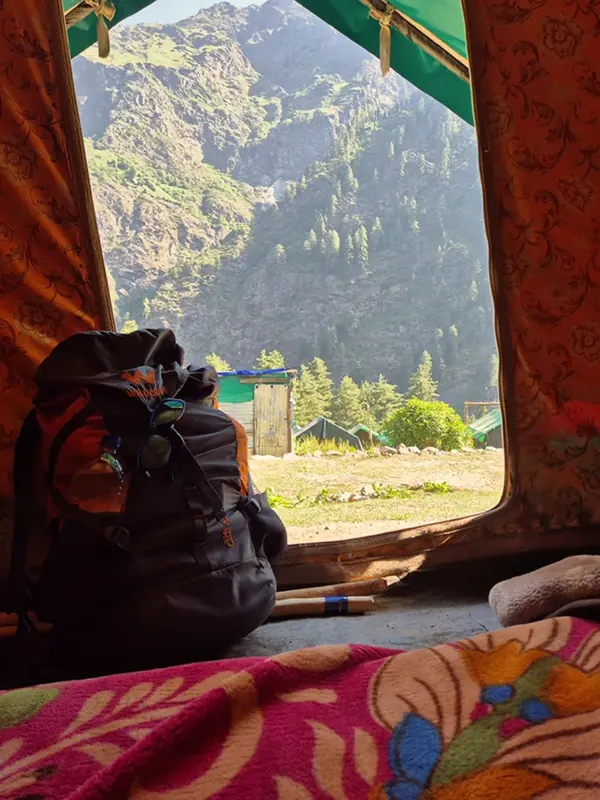
Crossing overA log bridge over the river, on the way up to Kheerganga.
At a glance
Pallav BhatnagarProduct Builder, UX Enthusiast
Based in
New Delhi, India. Remote friendly.
Focus
Product design, UX research, prototyping
Currently
UX Designer at Resilinc
Experience
5 years across 4 teams
Education
B.Des, National Institute of Design
Languages
English, Hindi
The path so far
I started in graphic design, drawn to the way a good layout could make people feel calm. Then I watched users struggle with a checkout I had made beautiful, and I learned that polish is not the same as clarity.
Since then I've worked across fintech, healthcare, logistics and education, always close to the people using the product. I run the research, shape the flows, design the interface and often build the prototype myself, with AI and code as part of my everyday toolkit.
The work I'm proudest of is rarely the loudest: the onboarding that stopped support tickets, the dashboard a dispatcher can read in two seconds, the design system that lets a team move without asking permission.
Where I've been
Four teams in five years. It started tangled and got clearer with every job.
2017
Studio Nine
Design intern
A summer internship during my B.Des. My first real users, and my first redesign.
2018 – 2020
Pixelcraft
UI designer
Apps for a dozen clients. Sat in on my first user calls and never stopped.
2020 – 2023
Wave
Product designer
Rebuilt a trading app's navigation and a design system shared across brokers.
2023 – now Now
Resilinc
UX designer
Designing and prototyping supply chain software, with AI in the toolkit.
Life, lately
Trips, weekends and what I'm up to this month.
Updated
Building
An AI-powered chat for this site, so you can ask my work anything.
Learning
Motion in code: one small experiment every week.
Exploring
Voice interfaces, and what a good "undo" sounds like.
Batman v Superman: Dawn of JusticeRescored by Pallav Bhatnagar
FallenMusic by Pallav Bhatnagar
ValhallaMusic by Pallav Bhatnagar
Naruto Shippuden: Shikamaru's RevengeRescored by Pallav Bhatnagar
Batman v Superman: Dawn of JusticeRescored by Pallav Bhatnagar
Video coming soon
Books and comics
Pages that feed my work.Pages that distractfeed my work.
Design books for the day job; comics and graphic novels for pacing, framing and story.
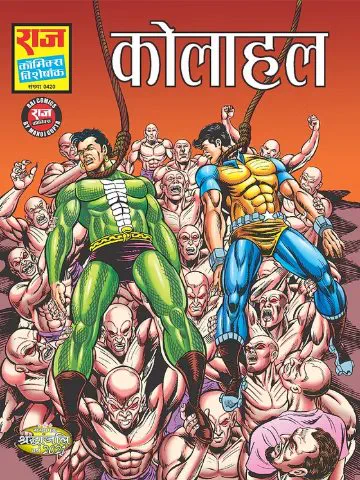
Right now: Kolahal.
J.K. RowlingHarry Potter and the Philosopher's Stone
Frank MillerThe Dark Knight Returns
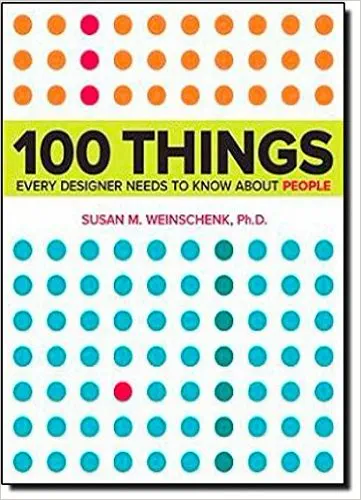
Susan Weinschenk100 Things Every Designer Needs to Know About People
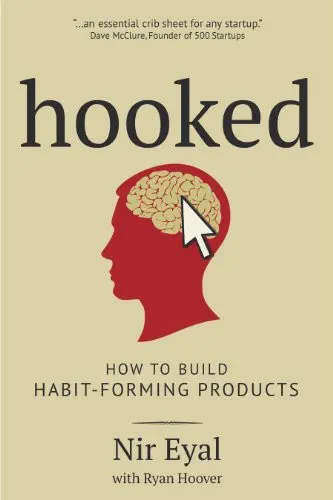
Nir EyalHooked
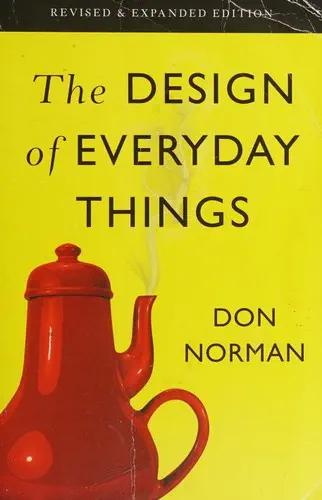
Don NormanThe Design of Everyday Things
Alex MichaelidesThe Silent Patient
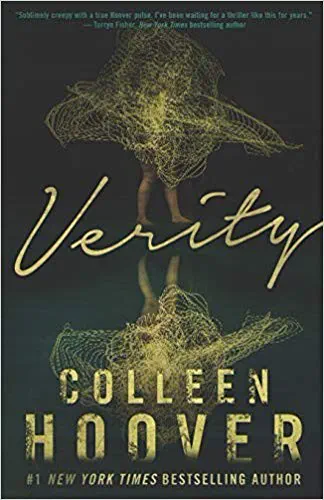
Colleen HooverVerity
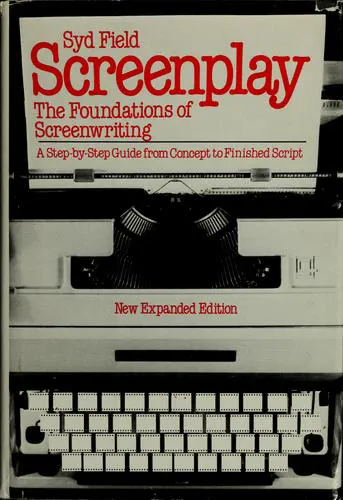
Syd FieldScreenplay: The Foundations of Screenwriting
Sarah PinboroughBehind Her Eyes
Geoff JohnsFlashpoint
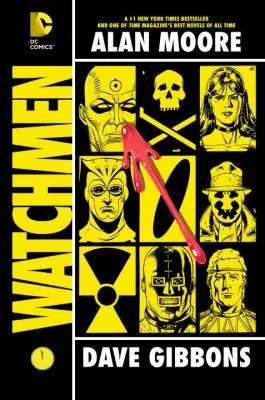
Alan MooreWatchmen
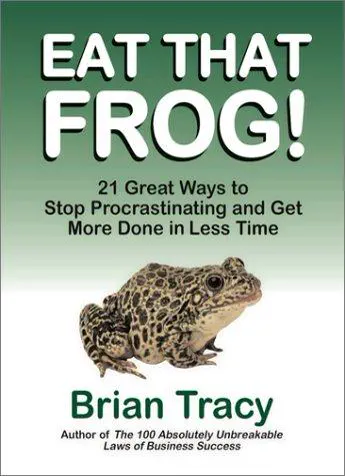
Brian TracyEat That Frog!
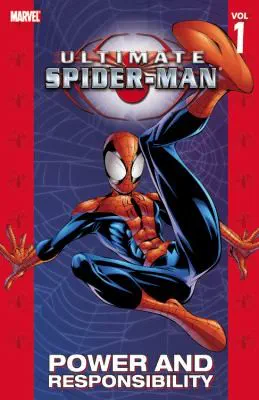
Brian Michael BendisUltimate Spider-Man
Jeph LoebBatman: The Long Halloween
Tom TaylorInjustice: Gods Among Us
Frank MillerDaredevil: Born Again
Frank MillerBatman: Year One
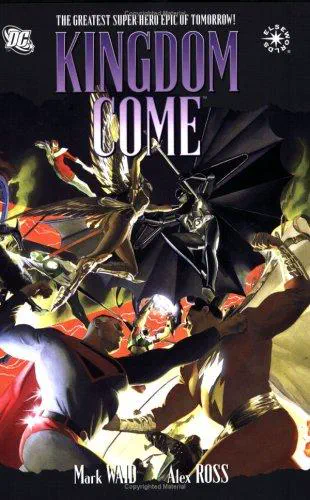
Mark WaidKingdom Come
Grant MorrisonAll-Star Superman
Chris ClaremontX-Men: God Loves, Man Kills
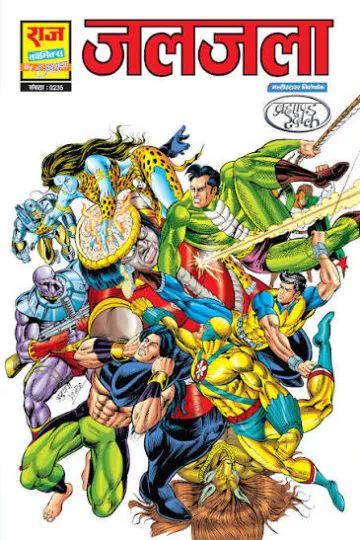
Raj ComicsJaljala
Raj ComicsKolahalReading
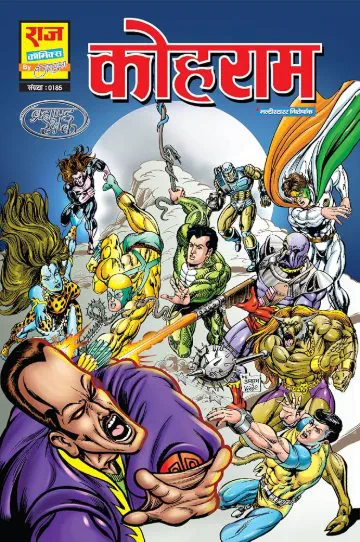
Raj ComicsKohram
Who you'd be working with🤝
A designer who builds, and a teammate who makes the work easier for everyone around it.
The short version: calm in messy projects, clear in handoff, and honest about what we don't know yet.
Built alongside engineers, PMs and researchers
Where I start
With the problem, not the pixels.
Before any screen, I talk to the people who use the product and write down what is really getting in their way. The design follows from that.
How I collaborate
I design in the open.
Rough work goes up early, so engineers and product can shape it while it is still cheap to change.
After handoff
I stay until it ships.
I answer questions fast during the build and check the live version against the design before calling it done.
Teams usually bring me in to
Untangle a flow people keep dropping out of.
Turn research into decisions the team can act on.
Take a design from Figma all the way to shipped code.
Questions people ask?
Short answers to what teams usually ask me first.
Are you open to new roles?
Yes. I'm looking for senior product design roles on teams that ship often and talk to their users. Product companies interest me most, especially ones where the product is complex and the people using it are busy: finance, health, logistics, B2B tools.
What matters more than the industry is the setup: a team that gives design a seat early, measures what it ships, and is honest about what isn't working yet.
I can start in about 30 days. Happy to do a portfolio walkthrough, a design exercise or a short paid trial first, whichever helps you decide.
Remote or on-site?
Either works. I'm based in New Delhi and have worked with teams across India, Europe and the US, so I'm used to splitting the day around other time zones.
Remotely, I keep at least a few hours of overlap with the team, write decisions down so nobody has to wait on a call, and share work in progress in the open rather than saving it for a big reveal.
In person, I'm happy to be in the office regularly, and I think kickoffs, research sessions and workshops are worth travelling for wherever the team is.
What does your process look like on a new project?
I start by listening: to users, to support tickets, to sales calls and to the team. In the first week or two I want to understand who the product is for, where they get stuck, and what the business needs from the fix.
That becomes a one-page brief: the problem in plain words, who it affects, what we'll change and how we'll know it worked. Everyone signs off on that before anyone opens Figma.
Then I sketch rough flows, test them early with real people, and only polish what survives. Expect clickable prototypes within the first couple of weeks, not just slides, and a design that's been argued with by engineering before it's final.
Do you code?
Enough to prototype in HTML, CSS and JavaScript, and to talk details with engineers. I built this site myself, from the layout to the little dog.
I don't ship production code, but I can read a pull request, check the build against the design, and suggest the CSS fix instead of just filing a bug.
Prototyping in code also changes how I design: I find edge cases sooner, I respect what's expensive to build, and I can test motion and real data instead of guessing at them.
How do you use AI in your work?
As a fast assistant, not a designer. I use it to summarise research notes, cluster feedback, draft first versions of microcopy, and build quick prototypes I can put in front of people sooner.
It saves hours on the busywork, which leaves more time for the parts that need judgement: deciding what matters, talking to users and making the trade-offs.
Every decision still goes back to real users and the team. And I'm careful with data: nothing confidential goes into an AI tool unless the company has approved it.